
Services · UGC Ad Production
UGC Ads That Feel Human and Have a Strategy Behind Them
We produce creator-led, UGC-style video ads for Meta: the research behind each concept, the script, finding and directing the right people, and the edit. The goal is ads that feel natural in the feed and still say something specific and persuasive.
The problem with most UGC
You’ve seen the formula: someone holds up a product, says they’ve found something amazing, lists three benefits and tells you to buy it. It looks native to social media, but the message is interchangeable with every other ad.
That happens when UGC starts from a template instead of an insight. Before we write a word, we want to know what customers have already tried, what they doubt, what would earn their trust and what problem they’re actually solving. Those answers decide who should be on camera, what they say and how they say it.
UGC-style work
-
Dove Dental
UGC-style
Creator-style delivery for an audience of dental professionals, built on what our interviews and survey revealed.
-
Dove Dental
UGC-style, second execution
A second execution in the same style, so results don't hinge on one person or one take.
-
salonMonster
Real customer testimonial
A real salonMonster customer, filmed with an interview guide designed to surface the emotional core of their experience.
What we learned about native-looking ads
Looking native isn’t the goal by itself. For Zlumber, we tested the brand’s own organic social videos as ad hooks. They earned decent hook rates but low click-through and few sales. Ads that were upfront about the product and the problem it solves brought in far better customers.
On Meta, people often don’t know your product exists, so the creative has to do the explaining. In that account, problem-focused UGC video became the main way to educate new audiences and bring costs down, while static image ads closed the most sales.
Formats we plan
Customer testimonials
Real customers, interviewed with questions designed to get past the polite answers. Testimonials became salonMonster's dominant format.
Problem and solution
A relatable frustration first, the product second. Essential when people haven't heard of the solution yet.
Demonstrations
Show how the product works and what makes it different.
Education
Explain a feature or a problem plainly, like salonMonster's short videos on no-shows and waitlists.
Objection handling
Take on the doubt that stops people buying, directly.
How a UGC project runs
01 · Research the audience
Motivations, pain points, objections and the language customers use.
02 · Choose the angles
Distinct messages worth testing, not variations of one.
03 · Scripts and casting
Scripts written for natural delivery, and people who are credible for this audience.
04 · Production
Planned footage, demonstrations and supporting shots, directed for clarity.
05 · Edit and learn
Paid-social edits with captions and calls to action, then results feed the next batch.
[Leah’s] knowledge of and strategy for different platforms, the continual testing of different hooks and messaging angles, editing raw footage we had on hand into professional video ad content with a UGC feel, managing the process of hiring actors and filming new content, testing different types of offers ranging from free samples to direct orders, and trying out different ad and CTA formats like Messenger campaigns are all things that we would have been completely in the dark about without her.
Proof
Turning Customer Conversations Into a Competitive Advantage.
Through interviews and surveys with more than 300 dental professionals, we uncovered the insights that shaped product positioning, advertising, and marketing strategy.
Read the case study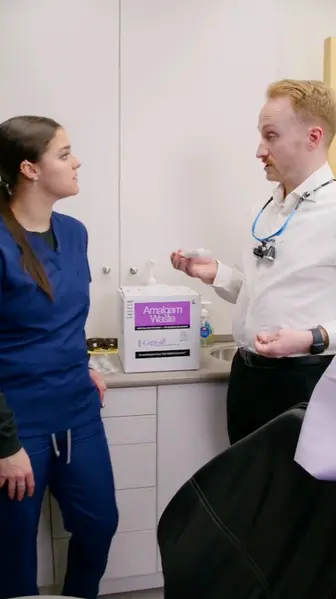
From No Creative to a Creative System for Software.
How we helped salonMonster build the video assets, testimonials, and testing framework their Meta campaigns had been missing.
Read the case study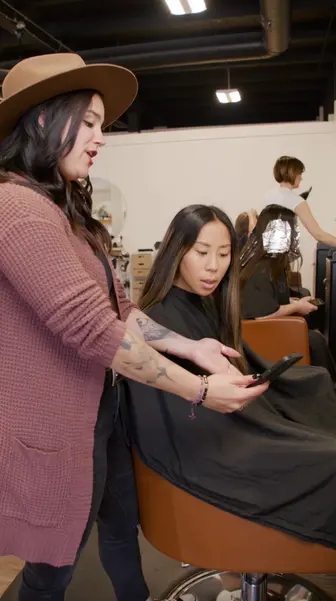
From Trying to Crack Meta Ads to Finally Seeing Traction.
How strategic creative testing cut Zlumber’s CPA down to a third of the cost in under three months.
Read the case study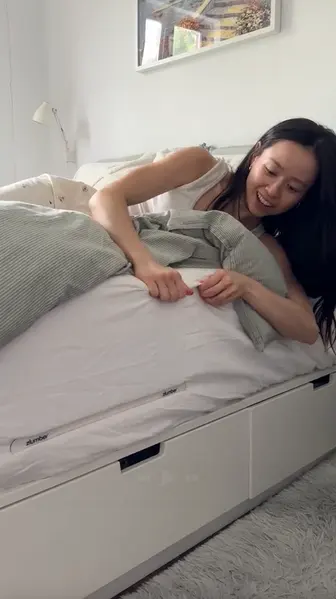
Questions buyers ask
What is a UGC ad?
UGC stands for user-generated content. In advertising it usually means creator-led video with a natural, phone-shot feel. Some feature real customers; others are planned and scripted with hired creators or actors. Both are valid, as long as an ad doesn't pretend a scripted performance is a genuine review.
What's the difference between UGC ads and influencer marketing?
Influencer marketing pays for access to a creator's audience, usually through posts on their own accounts. UGC ad production makes content that your brand runs as its own ads, so the creator doesn't need a following.
Do you find the creators?
Talent can be part of the project. We cast for credibility with your audience, which matters more than follower count.
Do you write the UGC scripts?
Yes. Scripts come from customer research and the angles we're testing, written to sound like a person, not a product page.
How many UGC ads should a brand test?
There's no magic number. It depends on budget, audience size and how quickly results come in. We'd rather test a handful of genuinely different ideas than dozens of near-identical videos.
Who owns the UGC content?
Usage rights depend on the talent agreements for each project. We agree how and where the content can be used during planning, before anything is filmed.
Related services
- Creative Strategy — What to make and why: research-backed angles, briefs and test plans.
- Meta Ads Management — Facebook and Instagram media buying, run by the team that makes the creative.
- Video Ad Production — Concepts, casting, shoots and edits, planned so one shoot feeds many ads.
- Performance Creative — An ongoing make-test-learn cycle that builds a library of proven ads.
- Customer Research — Interviews, surveys and reviews turned into insights and ad angles.